
The moment you depend on someone, you give them a piece of your freedom. Not because they are evil, not because they intend to hurt you, but because people change. Their priorities shift, their circumstances evolve, and the promises they make today may not fit the lives they live tomorrow. The danger isn’t always betrayal; sometimes, it’s simply the unpredictability of being human.
Today, they support you. Tomorrow, their priorities change, and suddenly, what you thought you could rely on is no longer there. You may have built your routine around their presence, your decisions around their approval, and your confidence around their reassurance. Without realising it, you begin giving someone else an influence over parts of your life that should have remained within your control.
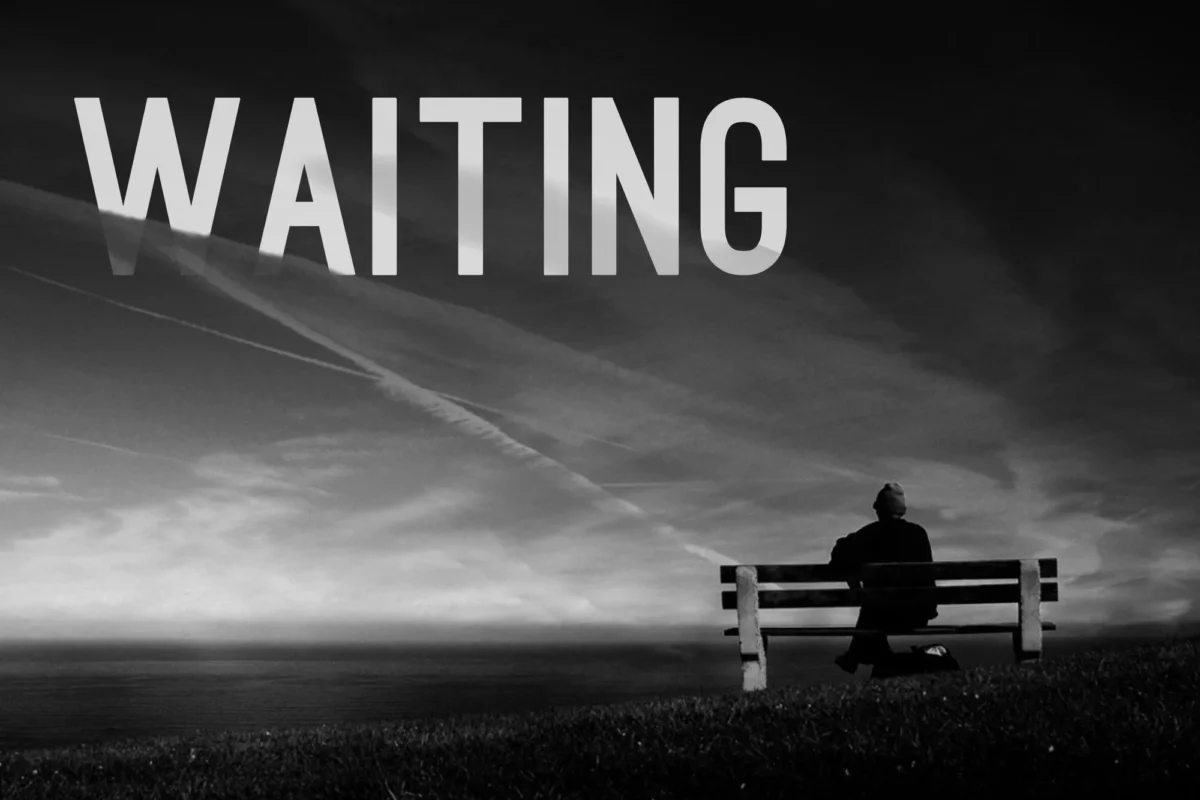
Dependence rarely takes away your freedom all at once. It happens quietly, through small habits that seem harmless at first. You stop making decisions because someone else has always made them for you. You stop trusting your judgment because you’re accustomed to seeking approval. You start waiting—waiting for help, waiting for reassurance, waiting for someone else to make things easier. Eventually, waiting becomes a habit, and that habit begins to shape the way you live.
The most dangerous part is that you may not even recognise what is happening until the person you depend on is no longer available.
Perhaps they leave, perhaps their circumstances change, or perhaps they simply cannot give you what they once did. Suddenly, you’re confronted with a frightening question: Can I stand on my own, or have I mistaken their support for my own strength?
That is when the real cost of dependence becomes visible. You haven’t necessarily lost the ability to survive; you may have simply neglected to develop it. You discover that the decisions you avoided, the responsibilities you postponed, and the uncertainties you expected someone else to resolve are now yours to face. What once felt like comfort begins to feel like vulnerability.
But independence doesn’t mean refusing help, rejecting relationships, or pretending you need nobody. Human beings need one another, and there is strength in trusting others, accepting support, and allowing yourself to be vulnerable. The problem begins when support becomes a substitute for your own judgment, when reassurance becomes a condition for your confidence, and when another person’s presence becomes the foundation of your stability.
True independence is knowing that you can appreciate someone’s presence without making your existence dependent on it. It is learning to accept help without surrendering your judgment, to love without losing yourself, and to trust without abandoning your ability to stand alone. You can walk beside someone without making them responsible for your direction.
Because people may stay, people may leave, and circumstances will inevitably change. You cannot control every departure, every disappointment, or every shift in another person’s priorities. But you can decide whether your ability to move forward will depend entirely on their continued presence.
The strongest position isn’t having someone beside you at all times. It’s knowing that even when nobody is there to hold your hand, you will still find the courage to take the next step.
